If 2025 was the year we collectively whispered, “Okay, something needs to change,” then 2026 is the year we actually do something about it. The wellness world continues to evolve at lightning speed, but beneath the tech, the trackers, and the shiny new modalities is a deeper truth: we are all craving more calm, more clarity, more connection, and way less burnout.
As someone who has spent over two decades teaching self-care, digital wellness, and lifestyle transformation, I see what’s coming long before it hits the mainstream — and 2026 is shaping up to be one of the most exciting years yet. These trends aren’t fluff. They’re science-backed, profoundly practical, and already changing how we live, work, and care for ourselves.
Let’s dive in.
1. Nervous System Regulation Gone Mainstream
If you hear the words “nervous system” more times this year than you hear the word “stress,” don’t be surprised. 2026 is the year we finally connect the dots between regulation, resilience, and daily functioning.
From polyvagal-informed therapy to breathing tools and somatic practices, this trend is rooted in neuroscience: a regulated nervous system boosts cognitive function, emotional stability, immune health, and even digestion.
I always tell my clients: your nervous system is your operating system — manage that, and everything else runs smoother. And it’s true. Whether it’s a two-minute vagus nerve reset, cold exposure, or a grounding walk to literally “download the chaos,” people are realizing feeling good isn’t a luxury — it’s a skill. And it can be learned.
2. Digital Wellness As a Lifestyle (Not a Detox)
This one has my name written all over it.
For years, digital wellness was viewed as a temporary fix: “I’ll delete Instagram for a week,” or, “I’ll try a no-phone Sunday.” But 2026 marks a monumental shift — people are embracing digital boundaries as a way of life, not a band-aid.
The science is catching up, too. Studies continue to reveal that chronic digital overload leads to decreased attention span, sleep disruption, increased anxiety, and even reduced creativity. (Yes, your phone might literally be blocking your best ideas.)
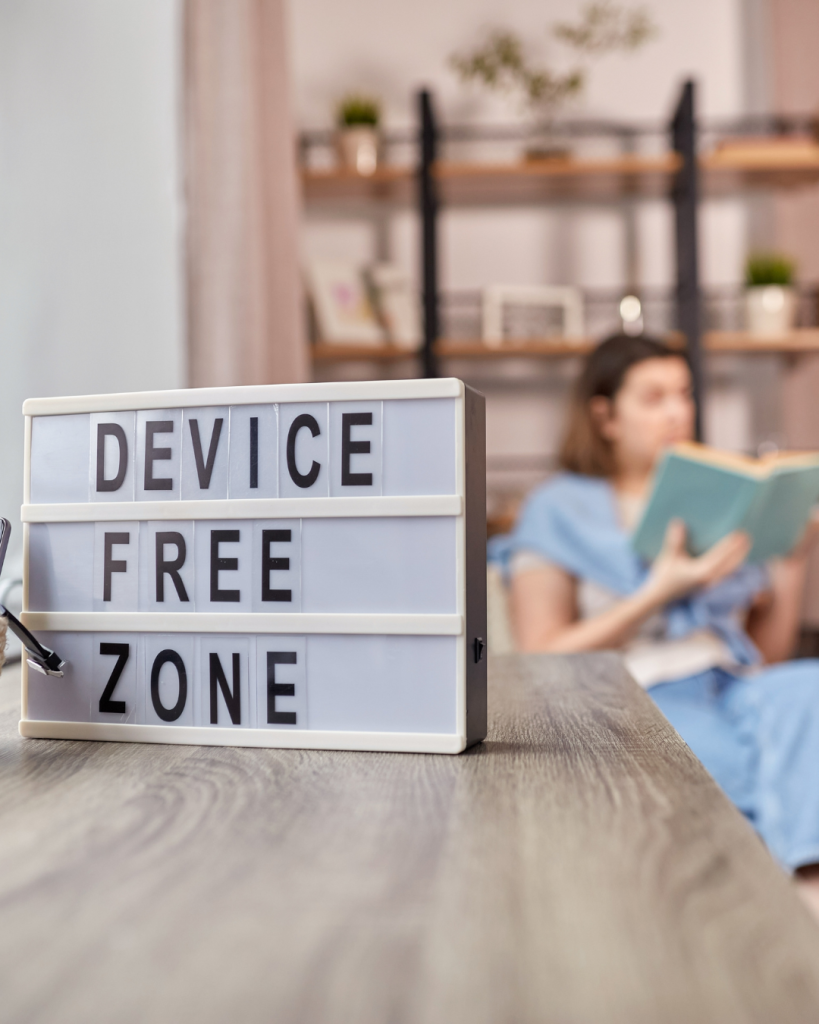
This year, expect to see homes designed with device-free zones, workplaces implementing mindful tech use, and individuals tracking not just steps but screen time, dopamine peaks, and digital rest cycles.
Because let’s be honest: our phones are incredible, but they’re also the clingy friend we sometimes need a break from.
3. Micro-Rest Practices As the New Power Nap
I call these “wellness snacks.”
If you’ve ever fantasized about running away to a spa for three days — but your calendar laughed at you — micro-rest is your new best friend. Research now shows that brief restorative breaks (even 60–90 seconds!) can recalibrate the nervous system, improve focus, and lower cortisol.
One of my coaching clients once told me, “Erica, I swear your 90-second breathwork break saved my sanity during a board meeting.” And I believed her.
In 2026, micro-rest isn’t laziness — it’s efficiency. It’s a strategic pause to avoid the crash. Expect micro-rest in workplaces, schools, and yes, even in your kitchen while the pasta boils.
4. Strength Training for Women At Its Peak
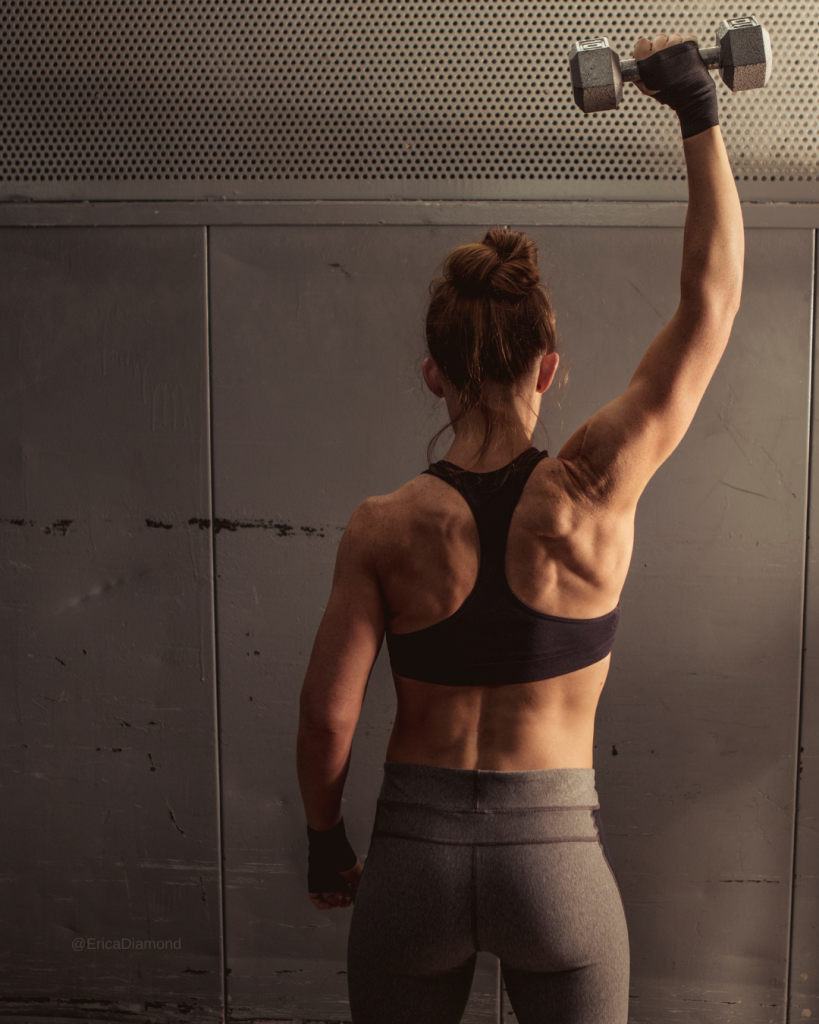
Gone are the days when wellness advice for women was, “Do more cardio.” 2026 is the year women fall in love — deeply and unapologetically — with strength training.
Science has made it clear: strength training improves bone density, hormone balance, metabolic health, mental well-being, and longevity. And women everywhere are saying, “Why didn’t anyone tell me this earlier?”
Picture this:
It’s 2026. You’re lifting a kettlebell for the first time and thinking, “Am I allowed to feel this powerful?”
Allowed? You’re designed for it.
Women building strength is more than a trend — it’s a movement. And 2026 is its breakthrough year.
5. The Return of Slow Living (For Real This Time)
Slow living isn’t just pretty pictures of lattes and linen anymore — it’s becoming a physiological necessity.
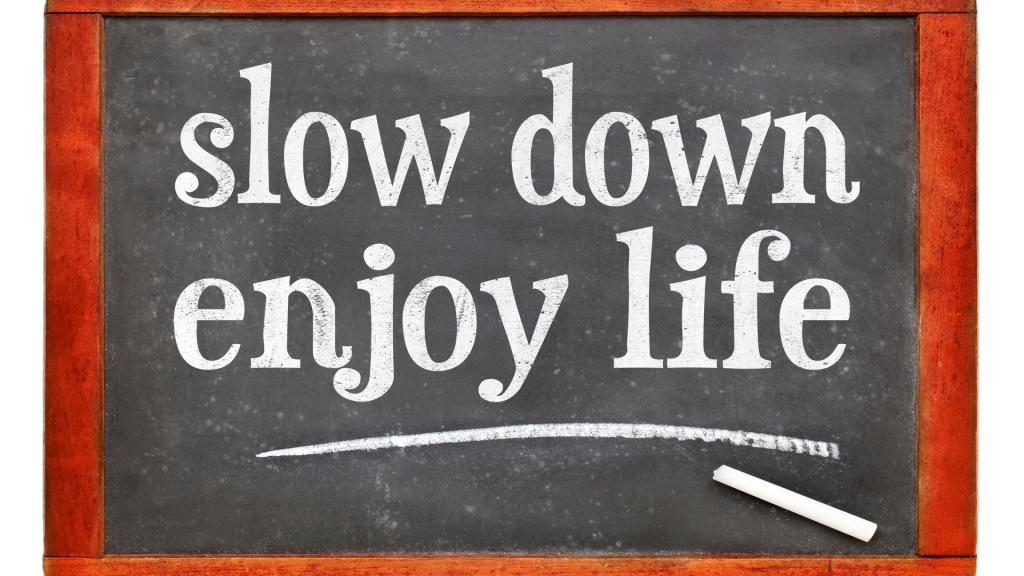
In a world that has been running at a chaotic pace, people are now choosing slower mornings, intentional routines, mindful meals, and uninterrupted blocks of deep work. The science is undeniable: slowing down enhances creativity, reduces inflammation, balances hormones, and improves emotional regulation.
And sometimes, slowing down gives you those funny, human moments that remind you you’re alive. Like the time I tried to “mindfully sauté vegetables” and set off my smoke alarm. My family ran in like I’d declared a state of emergency.
Slow living: imperfect, but worth it.
These trends don’t ask you to escape your life — they help you come home to it. They are accessible, empowering, and rooted in science. They aren’t woo… they are your home base. Most importantly, they support healthier humans, kinder workplaces, and a world where burnout isn’t a badge of honor.
If 2026 had a mantra, it would be this:
Less pressure. More presence. Less noise. More meaning.
And I’m here — cheering you on, guiding you, championing you — every step of the way.
So, I will close with a 10 minute mindful break you can do anytime, anywhere. I think it’s most fitting as we end 2026. Slow down, and breathe.
Yours in wellness,