

Nine years ago, when I got certified to teach yoga, I thought I was going to learn how to teach yoga.
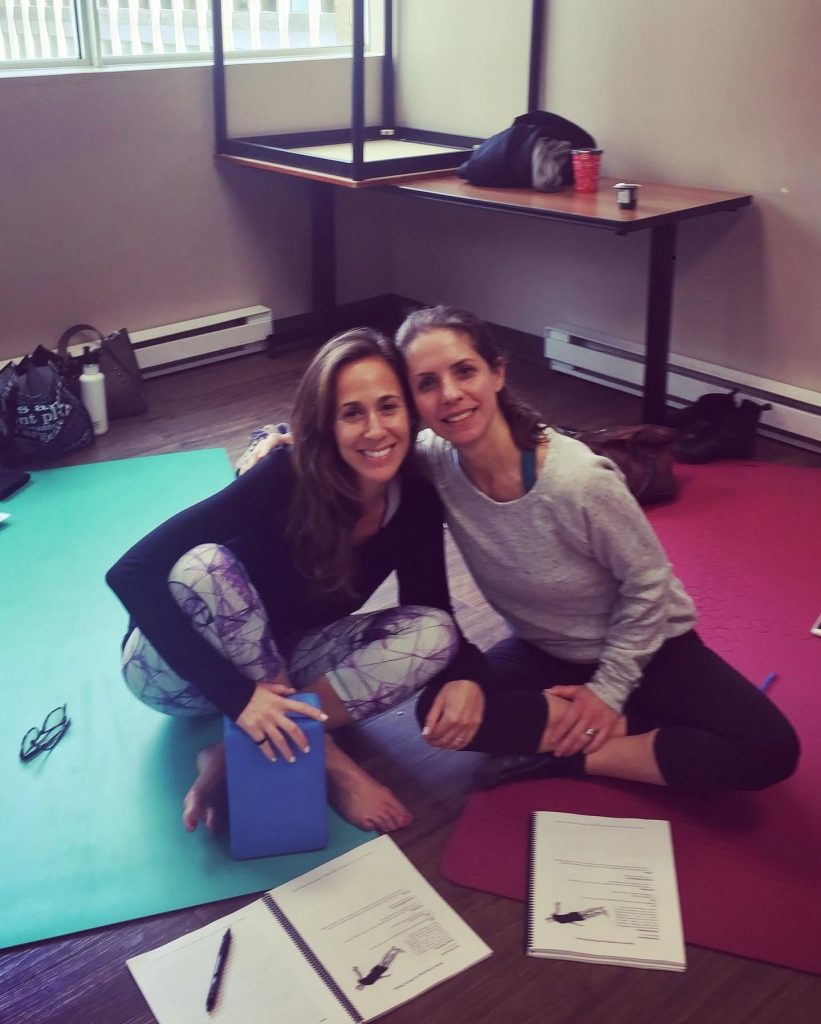
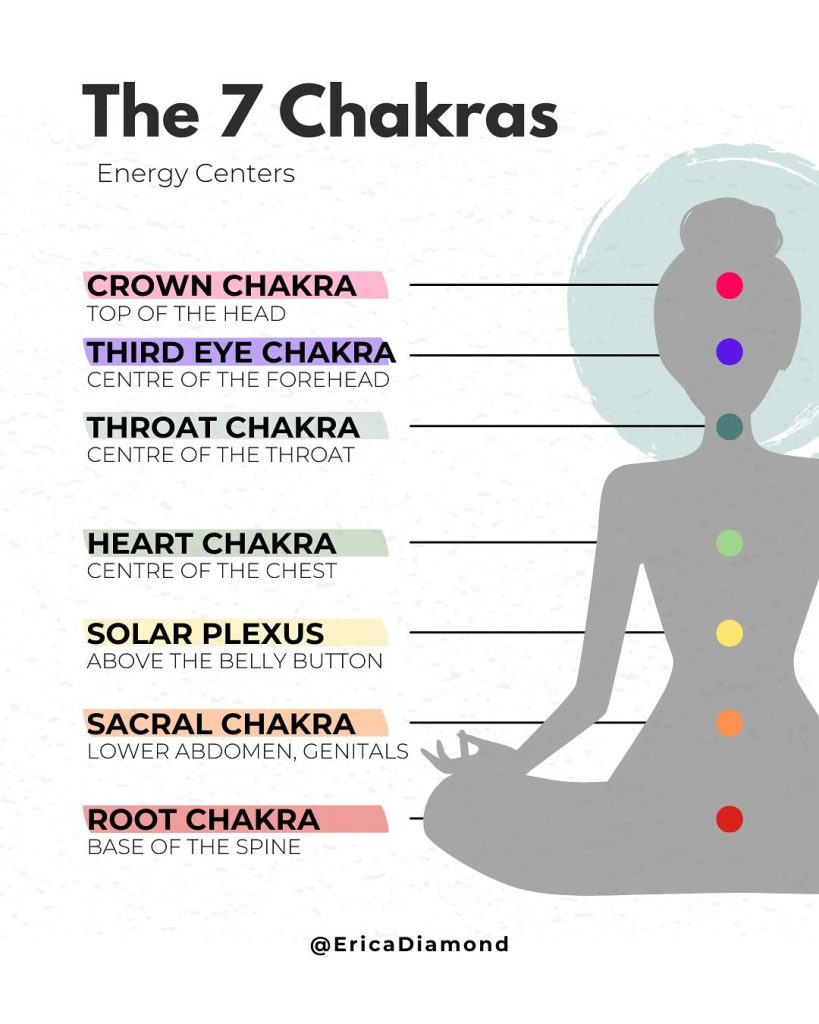
And I did, of course. Through all my certifications, I learned anatomy and alignment, sequencing and breathwork, chakra healing and meditation. I learned how to safely guide people through poses, how to offer modifications, how to read a room and, perhaps most importantly, how to keep talking while demonstrating downward dog without sounding like I was about to pass out.
But nine years later, the lesson that has stayed with me most has very little to do with whether someone can touch their toes.
It is this:
Meet people where they are.
I remember teaching a class years ago where I had two women who could not have been more different. One was experienced, strong and ready to turn every pose into the Cirque du Soleil version. The other was newer to yoga and clearly hesitant. She kept looking around the room, checking what everyone else was doing, and pushing herself back into poses even when her body was clearly telling her to ease off.
At one point I walked over to her and quietly said, “You don’t have to keep up with anyone in this room. Your job is to listen to your body.”
I watched her shoulders drop.
That moment has stayed with me because, really, isn’t that what so many of us are doing all day long?
Looking around.
Checking everyone else.
Wondering if we’re behind.
Trying to keep up.
Apologizing when we need to stop.
Yoga taught me that my job as a teacher was never to make every person in the room look the same. My job was to create enough safety, permission and encouragement for each person to find their version of the practice.
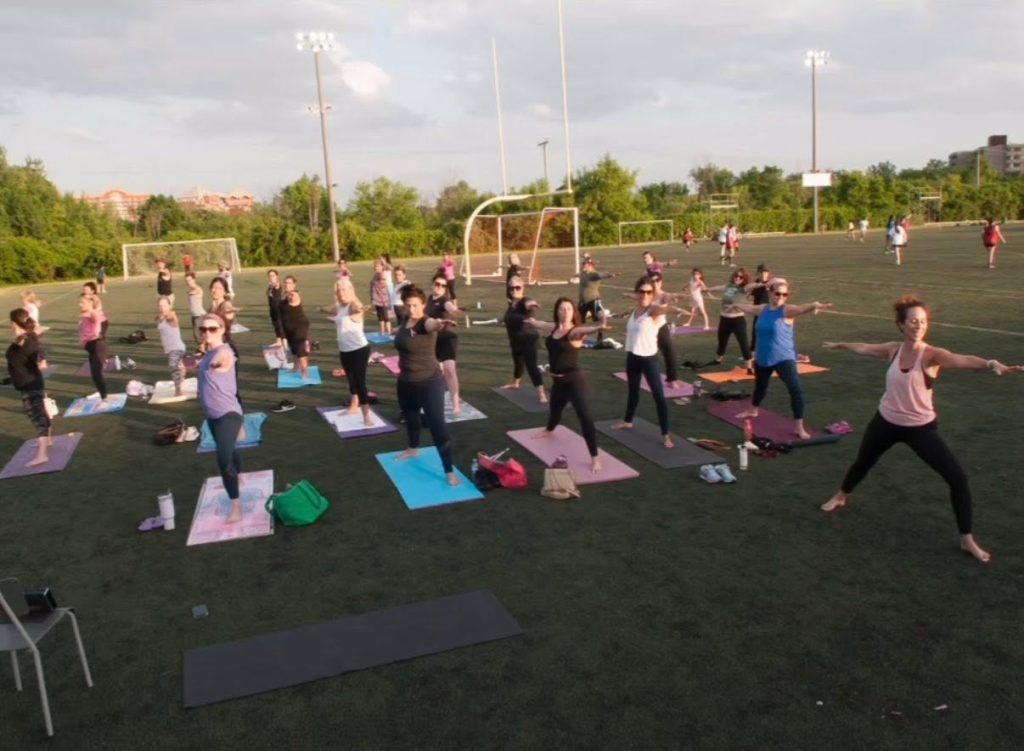
And I have carried that philosophy into almost everything I do today, whether I am coaching a woman through a career transition, speaking to hundreds of people about burnout prevention, teaching meditation or talking about self-care.
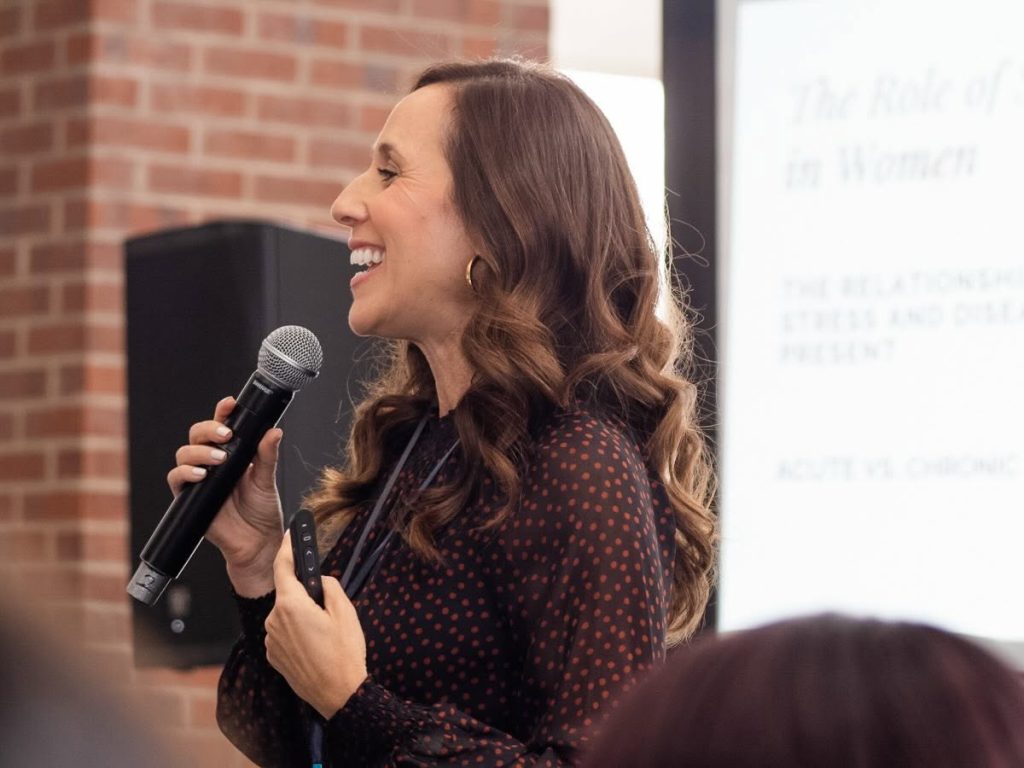
Because people don’t change when we shame them toward some ideal version of themselves. They change when they feel supported enough to take the next step from where they actually are.
There is science behind this too. Research has found that people are more likely to create sustainable behaviour change when they feel autonomy and ownership over their choices, rather than feeling pressured or controlled into change. In other words, “You should be doing this” is not nearly as powerful as helping someone discover, “This is what feels possible for me right now.”
The problem is, so many of us have become incredibly skilled at overriding ourselves.
Tired? Keep going.
Hungry? Finish the emails first.
Overwhelmed? Say yes anyway.
Body screaming for rest? Have another coffee.
We have confused discipline with disconnection.
That’s why yoga is magical. I know I am biased as a teacher, but one of the greatest gifts of yoga is that it keeps asking you to come back. Back to your breath. Back to your body. Back to what is true today.
And I emphasize today because Tuesday’s body may have very different plans than Monday’s body. Believe me, there are mornings when I step onto my mat feeling like a graceful yoga teacher and mornings when putting on my socks feels like an advanced posture.
Both count.
That same compassion needs to exist outside the yoga studio.
Maybe your friend is ready to run a marathon and you are trying to walk around the block three times this week.
Maybe someone else meditates for 30 minutes every morning and you currently have approximately four uninterrupted minutes before somebody needs you.
Maybe another woman is reinventing her career at 45 while you are simply trying to survive a difficult season.
Her starting point is not your starting point.
And self-care that ignores your actual life is not self-care. It is another performance standard.
So, how do we actually practice meeting ourselves and other people where they are?
1. Ask, “What do I need today?”
Not what should I be doing? Not what did I do last year? Not what is everyone on Instagram apparently doing before 5:30 a.m.? What does your body, mind and life need today? Learning to notice those signals is a skill, and research actually shows that practices such as yoga may help strengthen that body awareness over time.
2. Stop confusing compassion with complacency.
Meeting yourself where you are does not mean giving up on growth. It means choosing a starting point you can actually build from. Sustainable change tends to happen when we experience both autonomy and a sense that we are capable of succeeding. For example, if you want to build a daily movement habit, start with a ten-minute walk you know you can keep rather than committing to an hour-long workout you’ll dread by day three.
3. Replace comparison with curiosity.
Instead of “Why can she do that and I can’t?” try, “What would help me move one step closer?” Comparison makes us judge. Curiosity gives us information. Instead of feeling defeated because someone else seems farther ahead, get curious about what they are doing differently and choose one small thing you can try for yourself.
4. Offer people permission, not prescriptions.
This has become one of my biggest lessons as a coach and teacher. Sometimes people do not need another person telling them what to do. They need someone willing to sit beside them with compassion, without immediately trying to fix, solve or advise. Sometimes the greatest gift we can offer is simply making someone feel heard.
Not every problem someone shares is a request for a solution. Sometimes they’re asking for your presence, not your opinion.

5. Remember that the next right step is enough.
You do not have to overhaul your life by Friday. Drink the water. Take the walk. Make the phone call. Say no to the thing you do not have capacity for. Go to bed earlier tonight.
Nine years after becoming a yoga teacher, I still love the poses, the breath and the quiet of the practice. But its greatest lesson followed me right off the mat.
Meet yourself where you are. Meet other people where they are. And begin there.
Because the goal was never to become perfect at the pose.
The goal was to become better at listening to yourself.


The ‘meet people where they are’ lesson translates so well beyond the mat — the marathon-versus-walk-around-the-block example made the point without any preaching. I also liked the distinction between compassion and complacency; that’s where a lot of self-care advice falls apart for me. Asking ‘what do I need today?’ feels like a small habit with outsized returns.