The other night, I climbed into bed and announced to myself in my head with great conviction (I am my own best conversationalist) that after my evening meditation ritual, I was going straight to sleep! No scrolling. No checking email. No “quick look” at Instagram. I was going to be a responsible, well-rested woman and mom who respects her circadian rhythm.
Forty-five minutes later, I was down the rabbit hole researching which book to purchase for my down-time this summer.
This is the funny thing about habits. Most of them do not feel particularly dramatic while we are doing them. One late night does not destroy our health. One skipped walk does not undo a lifetime of movement. One stressful week does not automatically shorten our lives. But our days quietly become our years, and what we repeatedly do has a way of shaping how well we live them.
I have recently been thinking about longevity in a different way. We often imagine healthy ageing as something we will focus on later, perhaps when we have more time, fewer responsibilities, or the kids are finally out of the house and we can devote an entire kitchen shelf to beautifully arranged supplements. But longevity is not only about adding years to your life. It is about adding more energy, strength, connection and vitality to the years you are already living.
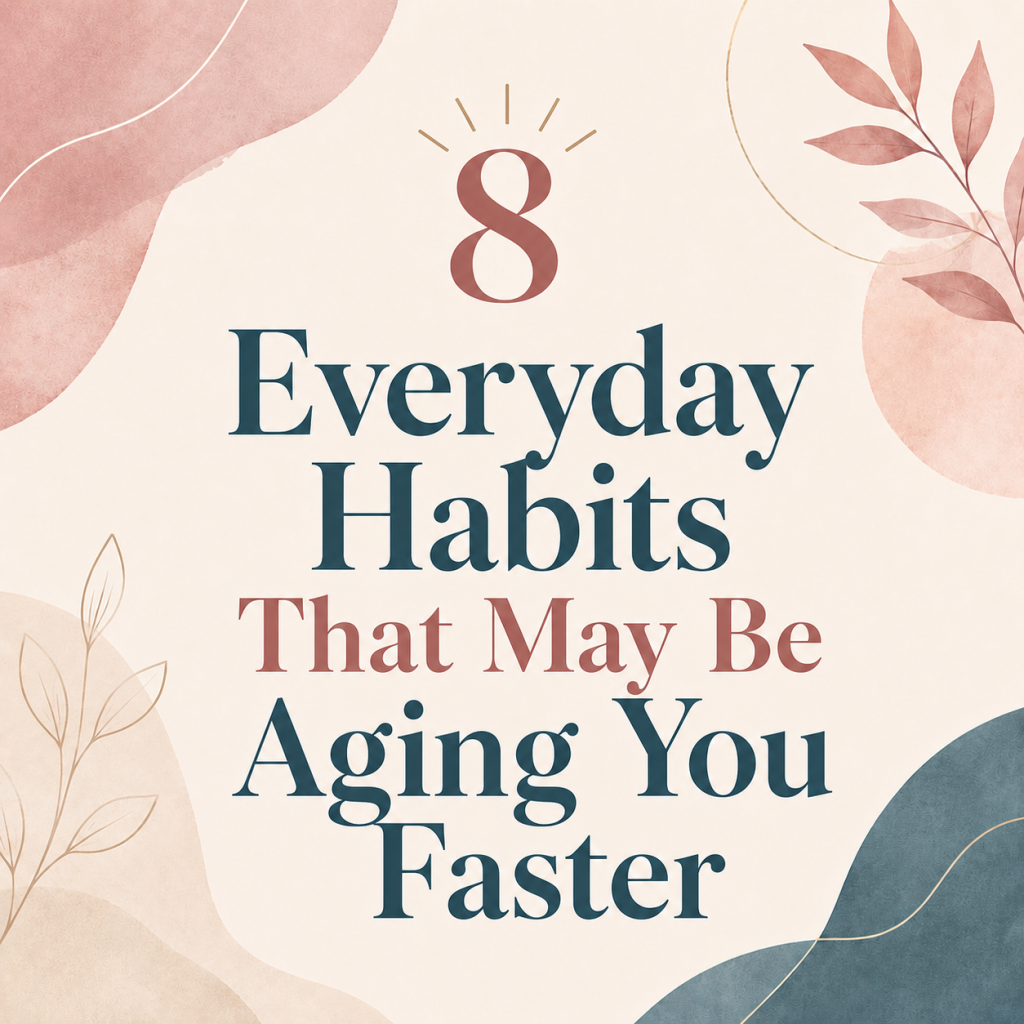
Here are eight everyday habits worth paying attention to, not to create fear, but to help us make small, realistic choices that support a longer, healthier and more vibrant life.
1. Sitting too much

Many of us move from the bed to the car, the car to the desk, the desk to the sofa, and then congratulate ourselves for walking to the kitchen. I say that lovingly because I have had those days too. Regular physical activity is associated with a lower risk of early death, heart disease, diabetes, depression and several other chronic conditions. The encouraging part is that some movement is better than none. A ten-minute walk, taking the stairs, stretching between meetings or dancing in the kitchen all count. In fact, I have a beautiful 10-minute vitality yoga flow you can do anytime. Speak to your doctor first if you’ve never tried yoga before,
2. Treating sleep like optional downtime

We borrow from sleep as though our bodies will never collect the debt, but eventually they do. Consistently insufficient sleep is associated with higher risks of high blood pressure, heart disease, diabetes, anxiety and depression. Most adults need roughly seven to nine hours, but quality and consistency matter too. Creating a calming bedtime routine may not sound revolutionary, but neither does brushing your teeth, and we seem to understand that doing it once a month would be insufficient.
Get serious about sleep. Treat it like a necessity, not a nicety. You matter.
3. Living on highly processed convenience foods

Healthy eating does not require perfection or a personality transplant. It is built around the overall pattern of what we eat regularly, including vegetables, fruit, whole grains, nourishing sources of protein and fewer highly processed foods. This does not mean never eating dessert, or never enjoying my favourite meal: a McDonald’s Quarter Pounder trio with a Diet Coke. For real, it is my favourite. I have it a few times a year, and when I do, I enjoy every bite without guilt. A long life without cake or fries sounds less like longevity and more like punishment. It is all about balance. A good rule of thumb is to focus on what you do most of the time, not what you do once in a while.
4. Allowing stress to become your permanent operating system
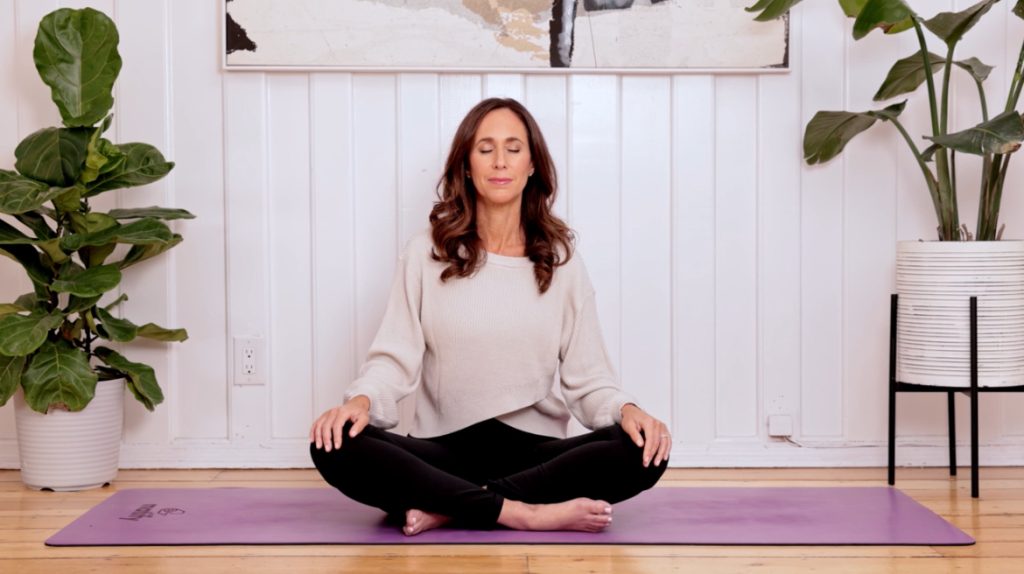
Stress is part of being human, but living in a constant state of urgency can slowly erode our well-being. Many high-functioning people become so accustomed to tension that calm begins to feel suspicious. We answer emails while eating, mentally rehearse tomorrow while brushing our teeth, and call it productivity. The answer is not eliminating every source of stress. It is regularly helping the nervous system come back down through movement, breathing, meditation, time outdoors, laughter and honest conversations.
5. Neglecting relationships because you are too busy
Social connection is not an extra to squeeze in after the real work is done. It is part of our health. Meaningful relationships are associated with less stress, better sleep and longer, healthier lives, while persistent loneliness and social isolation are linked with greater risks of heart disease, cognitive decline and earlier death. That coffee with a friend is not wasting time. It may be one of the healthiest appointments on your calendar.

6. Ignoring your body’s whispers until they become full blown storms
We postpone appointments, normalize feeling terrible and convince ourselves that symptoms will disappear once life becomes less busy. Preventive care, health screenings and timely medical attention are forms of self-respect, my friend. Being proactive does not mean becoming frightened of every sensation. It means remaining an active participant in your own health. Sometimes the most loving thing you can do for yourself is listen while your body is still whispering, instead of waiting until it has no choice but to shout.
7. Believing that healthy living must be all or nothing
This mindset causes more damage than we realize because the moment we cannot do everything, we do nothing. We miss one workout and abandon the week. We eat one rich meal and decide the vegetables may as well wait until Monday. Sustainable wellness is rarely built through dramatic overhauls. It is built through repeatable choices that fit into an actual human life.
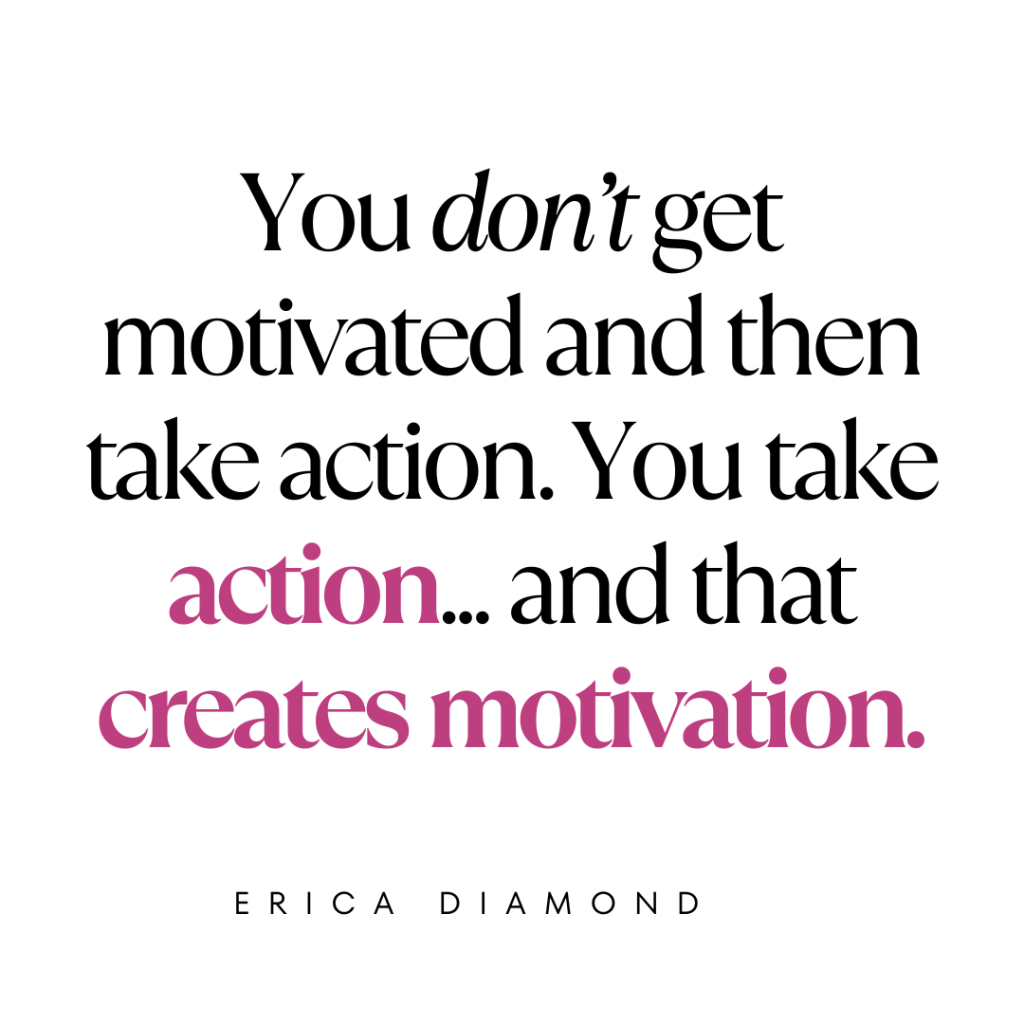
8. Waiting for motivation before you begin
Motivation is lovely when it visits, but it is an unreliable houseguest. Habits become powerful when they are small enough to continue even on ordinary, imperfect days.
Choose one change. Take the walk. Go to bed thirty minutes earlier. Call someone you love. Add something nourishing to your plate. Put the phone down before you find yourself watching a stranger alphabetize her spice drawer at midnight. For real!
There you have it!
You do not need to fear ageing. You simply need to participate in how you age.
The goal is not to live perfectly. It is to live awake, connected and well, caring for the future version of you through the choices you make today.
So, what is one small choice you can make today that your future self will thank you for? I would love to know.