I’ve been thinking a lot lately about how the way we care for ourselves has to change as we change.
What worked for us at 25 may not work at 45. What energized us when our children were little may exhaust us once we’re navigating midlife, aging parents, career changes, hormonal shifts, or simply a different version of ourselves. And yet, so many women keep trying to follow the same rules. We exercise the way we always exercised. We work at the pace we’ve always worked. We say yes to the things we’ve always said yes to. Then we wonder why our bodies, minds, and energy seem to be saying, Um, excuse me, could we have a meeting?
After almost two decades of working in the wellness, burnout prevention and personal development space, this is something I know for sure: self-care is not static. It has to evolve with you.

The World Health Organization (WHO) defines self-care much more broadly than bubble baths and spa days. It includes the everyday practices that help us maintain our health and well-being, including sleep, movement, nourishing food and connection. And I would add something else to that list: awareness. Mindful self-care begins when we stop asking, What should I be doing? and start asking, What do I actually need in this season of my life?
Maybe that’s the real work of self-care as we get older: learning to pay attention again. Not to the wellness trends, the morning routines we see online, or the version of ourselves we think we’re supposed to maintain, but to the quiet signals our own life is giving us. Sometimes that means pushing ourselves a little. Sometimes it means backing off. Sometimes it means realizing that the thing that once made us feel strong, productive or energized simply doesn’t anymore. There is wisdom in being willing to notice that, and even more wisdom in allowing ourselves to respond.
So what does self-care actually look like as we move through the different stages of womanhood? Let’s break it down, for you, and for the young women in your life who deserve to learn early what most of us were never taught in school.
Your 20s: Building the Foundation
In our twenties, we can get away with a lot. Late nights. Long workdays. Skipped meals. Too much caffeine. Not enough sleep. I remember the early years of entrepreneurship when adrenaline could carry me through an astonishing amount. I thought energy was an unlimited resource. Spoiler alert: apparently, the human body did not sign that contract.
This stage is less about creating the perfect wellness routine and more about learning to listen to yourself before life gets louder. Build the fundamentals. Move your body in ways you enjoy. Learn how to nourish yourself. Protect your sleep. Develop friendships that feel reciprocal. Spend some time alone without immediately reaching for your phone. Most importantly, begin noticing the connection between your habits and how you feel. That awareness becomes incredibly valuable later.
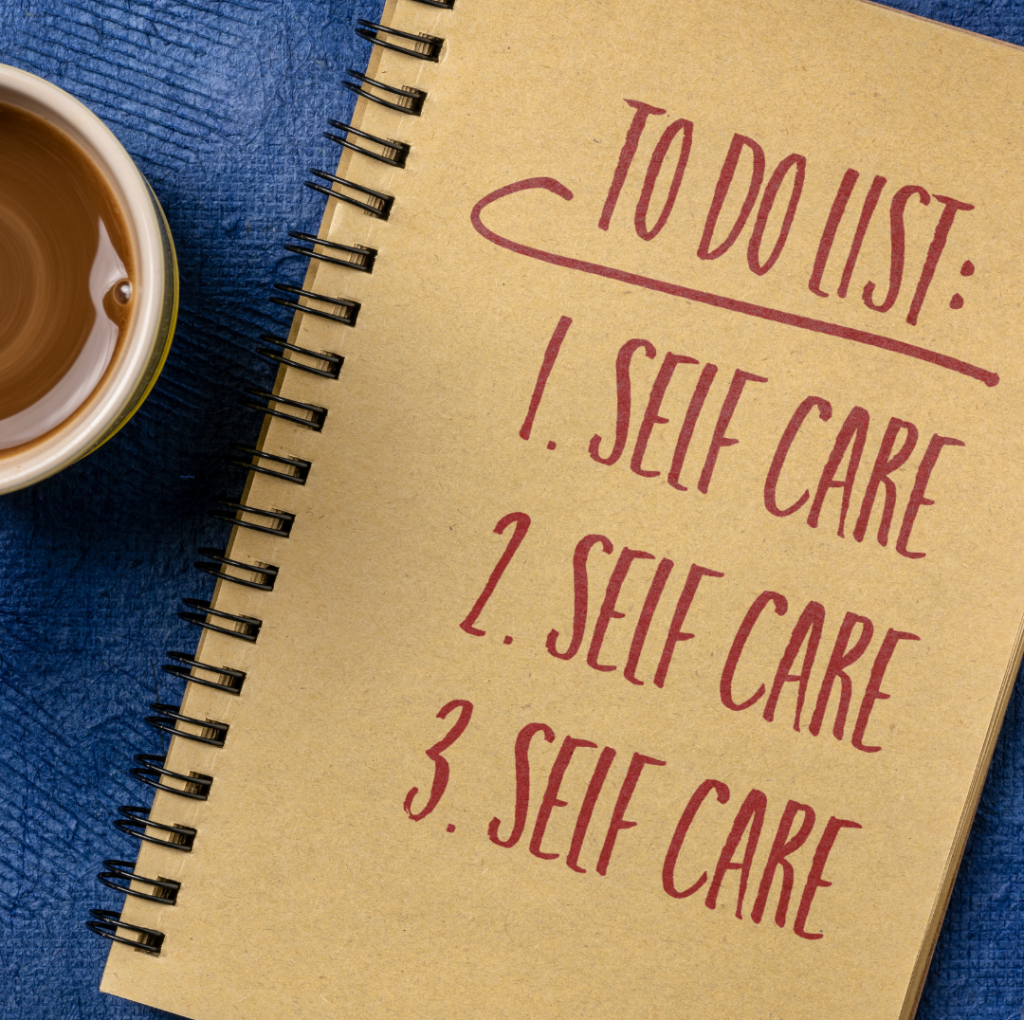
And for those of us reading this from our forties, fifties or sixties, this is also where we have an opportunity to change the conversation for our own kids. We can teach our sons and daughters that taking care of themselves is not indulgent, lazy or something they earn after they have exhausted themselves. Talk to them about sleep. Talk to them about stress. Help them notice what too much scrolling, overcommitting, poor eating habits or constantly pushing through does to their mood and energy. Let them see us rest without apologizing for it, set boundaries without guilt and make choices that support our well-being. These are life skills, yet most young people will never learn them in a classroom. If we can help them understand earlier that their energy is something to protect, not endlessly spend, we may save them years of having to unlearn the very habits many of us are only now beginning to question.
Your 30s: Protecting Your Energy in the Fullest Years
For many women, the thirties become the decade of more. More career responsibility, more financial pressure, perhaps marriage, babies, caregiving, home ownership, entrepreneurship, or some combination of all of it. Suddenly you are managing seventeen mental tabs at once and wondering why closing one actual browser tab feels strangely satisfying.
This is where self-care often becomes the first thing sacrificed because there simply doesn’t seem to be enough time.
But this is precisely when it matters.
Mindful self-care in this stage may mean abandoning the idea that it needs to happen in hour-long blocks. Ten minutes of movement counts. Five minutes of breathing counts. Going to bed instead of answering three more emails counts. Asking for help counts. So does saying, “I can’t do that this week.”
Research continues to reinforce that sleep, movement, healthy nutrition, and social connection are foundational health behaviours, not indulgences. The goal is not to add self-care to an already impossible to-do list. It is to weave it into the life you are actually living.
Your 40s: Listening to the Signals
Something interesting often happens in our forties. The body becomes less willing to whisper.
Maybe your sleep changes. Your energy feels different. Stress hits differently. Your recovery after a packed week takes longer. Hormonal fluctuations can also begin affecting everything from sleep and mood to concentration and physical comfort as women move toward the menopausal transition.
This is where I believe self-care needs to become less performative and much more personal.
You may need more recovery. More strength training. More protein. More quiet. More boundaries. More medical conversations. More saying no without writing a three-paragraph apology explaining why.
And maybe less pushing.
This can also be a decade of reassessment. Who am I now? What still fits? What am I doing because I genuinely want to, and what am I doing because I’ve always done it? For many women, the forties can become the point where self-care expands beyond sleep, exercise and nutrition and starts including the courage to make changes. To ask for help. To disappoint someone occasionally. To stop performing a version of yourself that no longer feels true.
One of the greatest gifts of this stage is beginning to understand that your body is not betraying you. It is communicating with you. Your job is to become curious enough to listen.
Your 50s: Working With Your Body, Not Against It
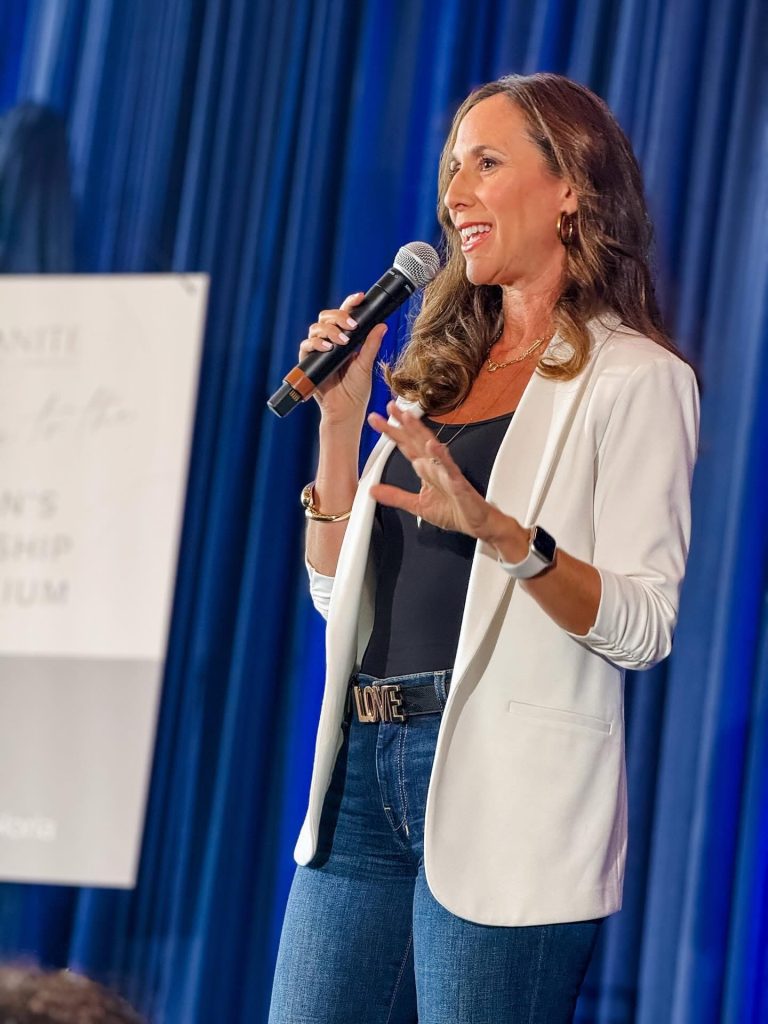
This is the decade I’m in now, which makes this one especially personal for me. I’m not in menopause yet, but I can absolutely feel that my relationship with my body, my energy and my well-being has changed. And interestingly, I’m not slowing down. In many ways, I’m working harder than ever. I’m still building, speaking, creating, parenting, showing up for my family and saying yes to things that excite me. The difference is that I’m much more aware that I cannot expect my body to absorb stress, lack of sleep and nonstop output the way it once did.
Midlife asks us to reconsider some of the rules we have lived by for decades. The menopausal transition can affect sleep, body composition, bone health, cardiovascular health, mood and physical function, although every woman experiences it differently.
For me, this stage is not about doing less simply because I’m getting older. It’s about getting smarter about how I support myself while I continue doing the things that matter to me. I want to feel strong. I want energy. I want to keep growing and working and enjoying my life. But I also know that pushing harder is not always the answer.
This decade is about strength and mobility instead of punishment at the gym. Protecting sleep instead of wearing exhaustion as a badge of honour. Managing stress before your body forces you to. Eating in a way that supports energy and muscle. Keeping up with the medical conversations and screenings we may have once put off. And perhaps just as importantly, making time for friendships, purpose, play, laughter and things that have absolutely nothing to do with productivity.
I think there is something incredibly freeing about reaching this stage and realizing that self-care is no longer about trying to become some improved version of yourself. It is about taking care of the woman you already are, so she has the energy and health to keep living a big, full life.
And yes, that still means sometimes sitting on the couch doing absolutely nothing without turning it into a personal development exercise.
We are allowed.
Your 60s and Beyond: Caring for the Life You Want to Keep Living
I love thinking about self-care in this stage because it becomes less about fixing ourselves and more about supporting vitality, independence and meaning.
Movement matters. Strength matters. Balance matters. Sleep matters. Connection matters enormously. But so do curiosity, purpose, laughter, learning and community. This can be a season of enormous change too. Careers may wind down or transform. Children may need us differently. Parents may be gone. Grandchildren may enter the picture. Friendships can shift, and our sense of identity may be evolving yet again.
Self-care might look like walking with a friend, lifting weights, taking up painting, travelling, volunteering, practicing yoga, joining a book club, learning something completely new, or finally protecting your mornings because you’ve realized you actually like your own company. It can also mean staying on top of your health, asking for help when you need it, maintaining the strength and mobility that protect your independence, and continuing to create reasons to look forward to what’s next.
There is something incredibly powerful about a woman who knows how she wants to feel and has stopped apologizing for building her life around what matters.
And maybe that is the real evolution of self-care.
It isn’t about creating a perfect morning routine, buying another supplement, tracking seventeen biomarkers or becoming a full-time project manager of your own wellness.
It is about developing a relationship with yourself that is strong enough to evolve.
Your needs will change. Your body will change. Your priorities will change. Your definition of a good life will change.
Let your self-care change too.
Instead of asking yourself whether you’re doing enough, try asking a quieter question:
What would support me in the season I’m in right now?
Listen carefully.
At every stage of womanhood, your body and your life are giving you information.
Self-care is simply learning to pay attention.
So, what does taking care of yourself look like in the season you’re in right now?